Have you ever picked up a protein bar, a yogurt cup, or a “healthy” snack in the grocery store and thought, “This looks good for me… I think?” Then you flip it over, see the nutrition panel, and somehow feel more confused than before.
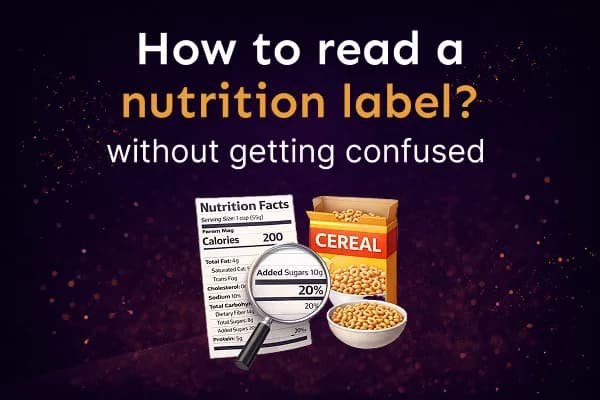
A nutrition label is there to tell you how much energy, protein, fat, carbohydrates, sugar, sodium, and other nutrients are in a food - but the most important thing is learning what to look at first, in the right order. The FDA explains that all the nutrient amounts shown on the Nutrition Facts label, including the number of calories, refer to the size of the serving, and that the label pairs those amounts with a % Daily Value to help people make quick, informed food choices.
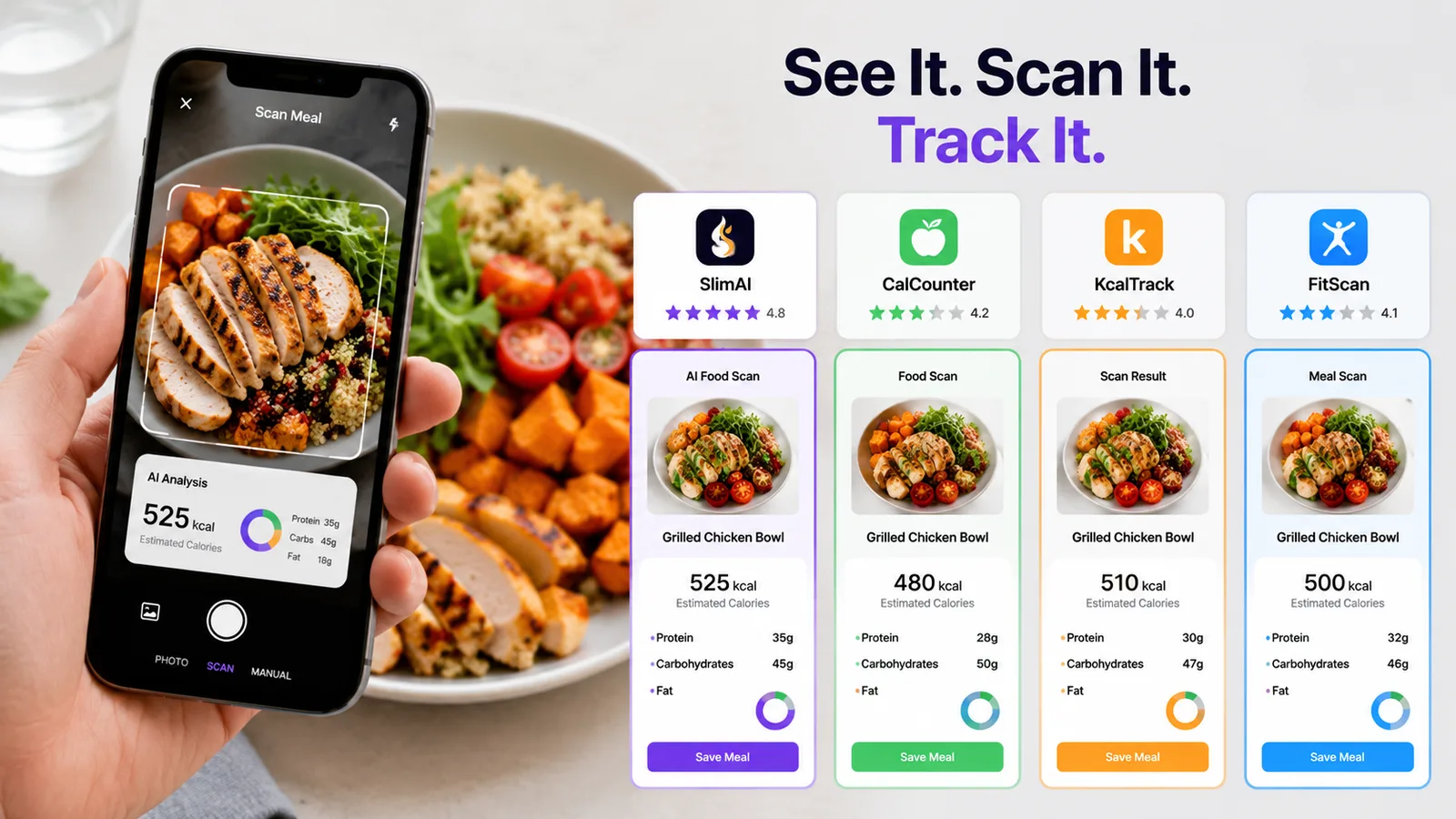
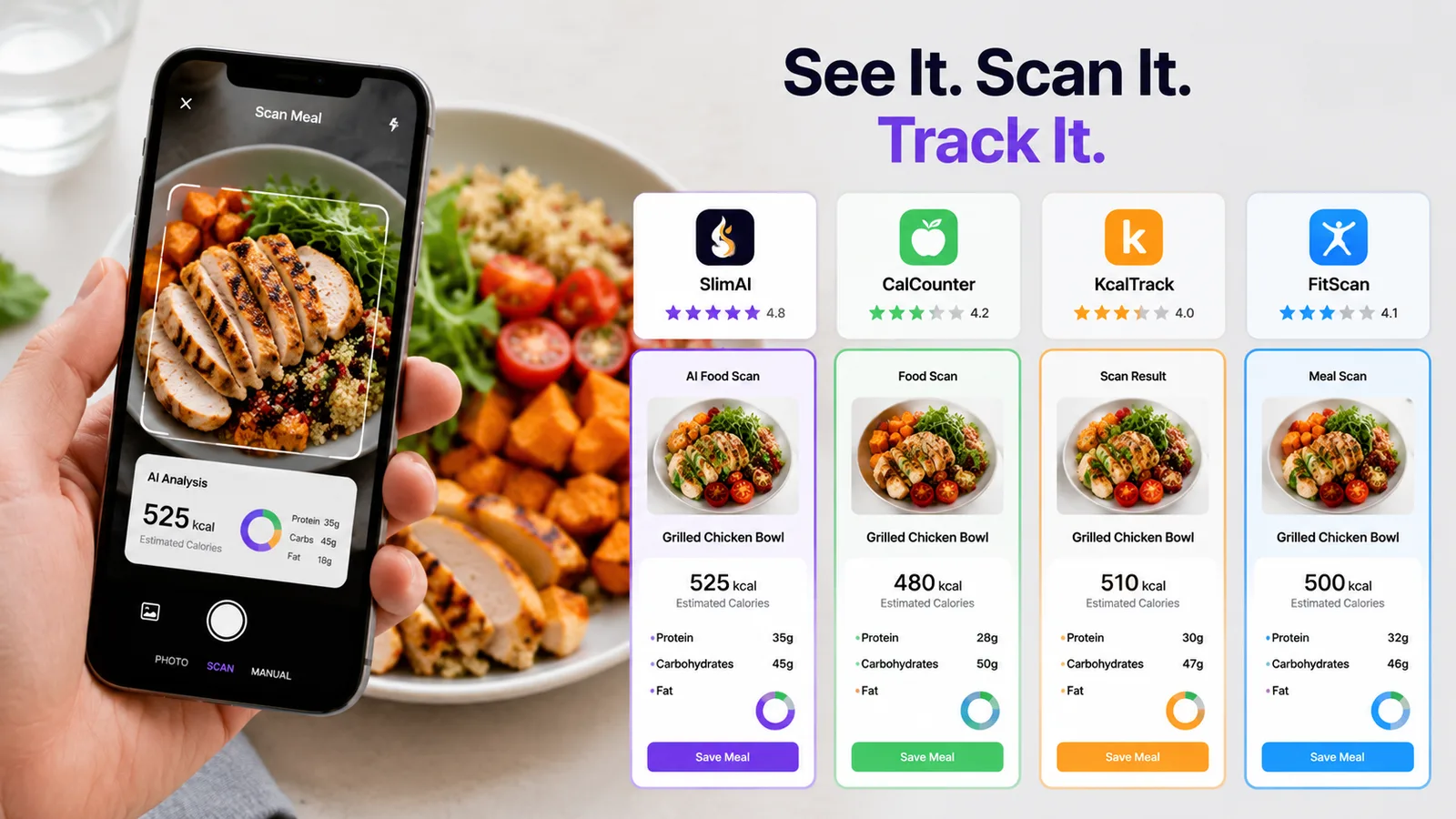
If you feel like reading labels turns every snack into a math problem, SlimAI Calorie Tracker can make that easier. Instead of manually decoding every number, you can log meals with a photo, type them in, or use voice-to-text, then see calories, protein, carbs, fats, and how that food fits into your full day. Its visual calorie balance and macro visibility are especially useful when you are trying to stay in a calorie deficit without overthinking every bite. It works well as the best free calorie and macro tracker and fitness app for people who want clarity without the stress.
What Does a Nutrition Facts Label Actually Tell You?
A nutrition label is basically a breakdown of what is in one serving of a product. If you are looking for the simplest nutrition fact label meaning, think of it as a quick summary of the food’s calories and major nutrients. The FDA's sample label runs through serving size, calories, total fat, saturated fat, trans fat, cholesterol, sodium, total carbohydrate, dietary fibre, total sugars, added sugars, protein, and the vitamins and minerals declared alongside them.
That means the label is not just there for people on strict diets. It helps you understand:
- how much you are actually eating
- how calorie-dense the food is
- how much protein, sugar, fat, or sodium it contains
- whether the serving you ate matches the serving on the package
So if you have ever wondered what the nutrition label tells you, the answer is: a lot but only if you know where to start.
Start With Serving Size, Not Calories
This is the part most beginners miss.
The FDA and the Academy of Nutrition and Dietetics both emphasize that the numbers on the label are based on one serving, not always the whole pack. The FDA works the example through explicitly: if one serving of lasagna is 1 cup and you eat two cups, you are eating two servings, so you double the calorie and nutrient amounts and the % Daily Values as well. The Academy makes the same point, noting that eating 2 cups when the label lists 1 cup means twice as many calories and other nutrients as what is printed.
That is why learning to read calories on food labels starts with serving size first. Calories without serving context are misleading. A snack may look “low calorie,” but if you eat two or three servings without noticing, the real total is much higher than you think. If you only remember one rule from this article, remember this: Read the serving size before you read the calories.
Then Read the Calories in Context
Calories tell you how much energy is in one serving of the food. They are useful, but only when you read them with context.
If you're losing weight or are in a calorie deficit, **reading nutrition labels will explain **the calorie number matters because it tells you how much that food may “cost” inside your day. But calories alone do not tell you whether a food will keep you full, support your protein target, or fit your routine well. The Academy of Nutrition and Dietetics notes that Nutrition Facts labels use 2,000 calories a day as a reference, while your individual needs may be higher or lower depending on factors including age, sex, height, weight and activity level, so the calories in a serving are worth comparing against your own target rather than that generic figure.
So if you're wondering, “How many calories are in a protein bar?”, you should focus on
- “How many calories is this for the serving I will actually eat?”
- “Will this food be worth it for how full it keeps me?”
- “Does this fit my goal?”
How to Read Nutrition Label Protein, Carbs, and Fat
Once you know the serving size and calories, look at the macros:
- Protein
- Carbohydrates
- fat
This is where reading nutrition labels becomes especially useful. Protein can help with fullness and is important for muscle repair and maintenance, which is one reason many people check protein first when choosing packaged foods. The FDA label shows protein in grams per serving, though a % Daily Value for protein is only required when a claim such as "high in protein" is made or the product is intended for children under four. The Academy of Nutrition and Dietetics adds that how much protein you need depends on several factors including age, sex, health status and activity level.
Carbohydrates matter because they include:
- Starches
- Fiber
- Sugars
- added sugars
Fat matters because it is calorie-dense, and the label separates total fat from saturated fat.
A beginner-friendly way to read this section is:
- check protein
- check total carbs and sugars
- check fat
- ask whether the food gives you enough value for the calories
This matters even more if you are reading nutrition labels for a calorie deficit diet, you are trying to stay under a calorie target while still eating in a way that feels satisfying.
Why Sugar, Fiber, and Sodium Matter More Than People Think
Many people read only calories and protein, then ignore the rest. That is where confusion grows.
The FDA lists total sugars and added sugars as separate lines, where total sugars covers sugars naturally present in foods such as milk and fruit, and added sugars covers those added during processing, packaged sweeteners, syrups and honey, and concentrated fruit or vegetable juices. That split helps you see whether sweetness is naturally occurring or added during production. Fiber matters because it can support fullness and digestion, and sodium matters because high-sodium foods can affect water retention and overall diet quality.
That does not mean every high-sodium or higher-sugar food is automatically “bad.” It means labels help you compare foods more honestly.
For example:
- one snack may look “healthy” from the front packaging
- Nutrition label may show very little protein, low fiber, and more added sugar than expected
That is often the difference between a food that fits easily into your routine and one that keeps leaving you hungry an hour later.
How to Read a Nutrition Label for Weight Loss or a Calorie Deficit
If your goal is weight loss, the label becomes a tool for better decisions, not for punishment.
To read nutrition label for weight loss, focus on:
- serving size
- calories
- protein
- fiber
- added sugars
- how realistic the portion is for you
To read nutrition label for calorie deficit, ask:
- Can I fit this into my target?
- Will this keep me full enough?
- Am I likely to eat one serving or three?
This is where people often get stuck emotionally. They think one packaged snack means they have failed. But the real issue is usually not the snack, it is not knowing where it fits.
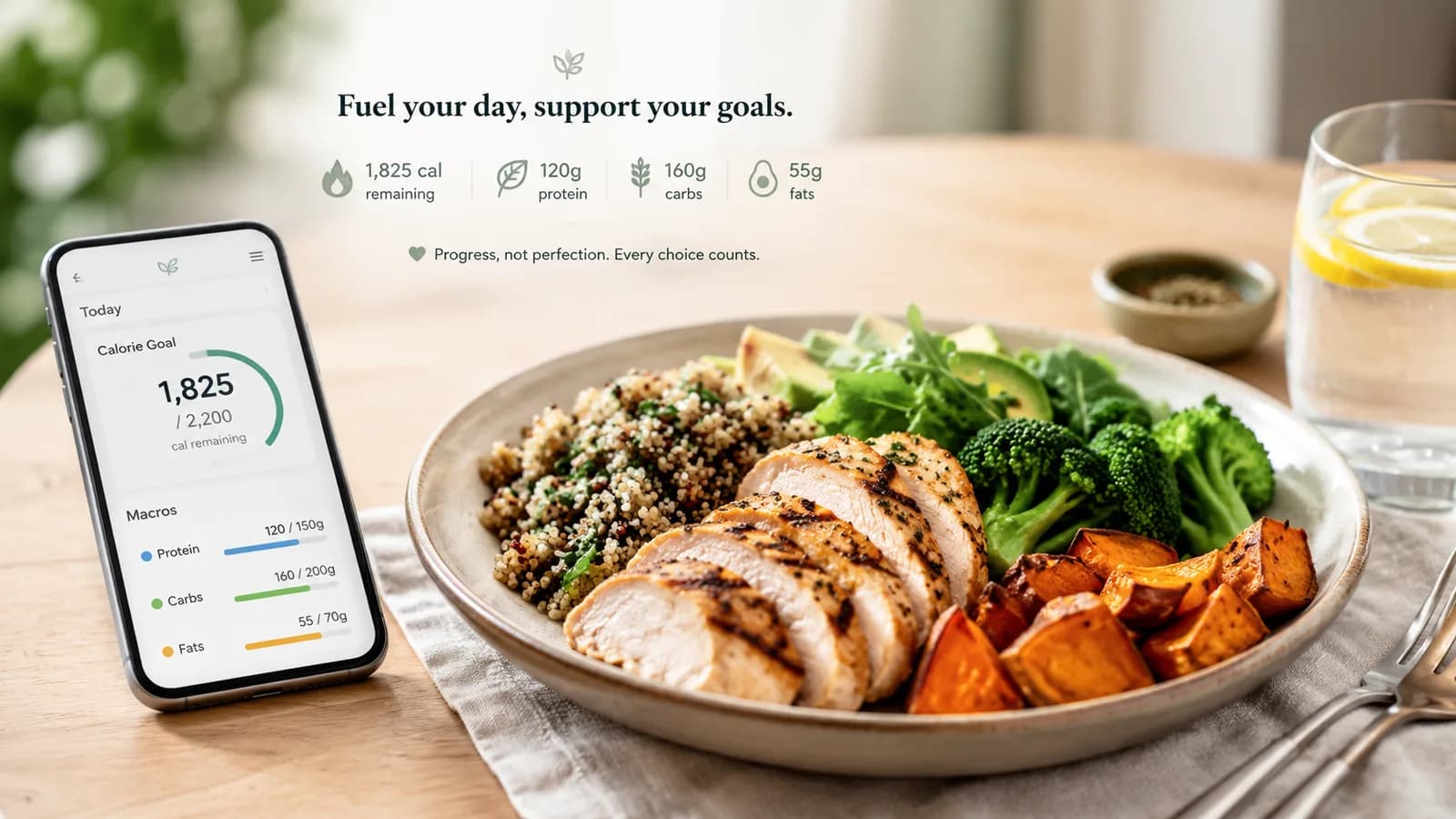
Instead of guessing whether that bar, drink, or bag of chips “ruined” your day, SlimAI Calorie Tracker helps you log it quickly and see how it fits into your calorie target, macro balance, and progress pattern. The calorie target, consumed and burned graph is especially helpful here because it puts one food into the context of the full day.
A Simple 5-Step System for Reading Labels Without Overthinking
Here is the easiest way to do it:
- **Check the serving size ** Make sure you know whether the package is one serving or multiple.
- **Check the calories ** See how much one serving contributes to your day.
- **Check protein, carbs, and fats ** This tells you more about how filling and balanced the food may be.
- **Look at sugar, fiber, and sodium ** This gives useful context about quality and fullness.
- **Decide whether this food fits your goal ** Not whether it is perfect; whether it fits your day and your routine.
That is all. You do not need to analyze every vitamin on a protein bar while standing in aisle seven.
What About Foods That Sound Healthy but Still Confuse You?
This is where people often get tripped up by marketing.
Words like:
- high protein
- low fat
- natural
- low sugar
- healthy
Do not always tell the full story.
This is another place where SlimAI Calorie Tracker helps. If the label still leaves you doing mental math, you can use photo logging, type the food in, or use voice-to-text to capture it quickly, then see calories and macro balance in a format that is easier to act on. It works well as a free calorie monitor and workout app or a free calorie monitor and fitness app because it links what you eat with your bigger daily picture.
Conclusion: Read Nutrition Label without Confusion
Learning to read nutrition labels for beginners is not about becoming obsessive. It is about becoming less confused. A label tells you what is in the food, but the most useful parts for most people are the serving size, calories, protein, carbs, fats, sugar, fiber, and sodium. Once you know how to read those in the right order, packaged foods become much easier to understand.
And if you are tired of manually decoding every snack, SlimAI Calorie Tracker can help turn that information into something more practical. Instead of staring at a label and wondering what it means for your day, you can log the food and instantly see how it fits into your calorie target, macro balance, and progress. That kind of clarity is what makes food tracking feel manageable instead of exhausting.